New analysis highlights oil shocks cost more for SUV vehicle drivers
17 June 2026
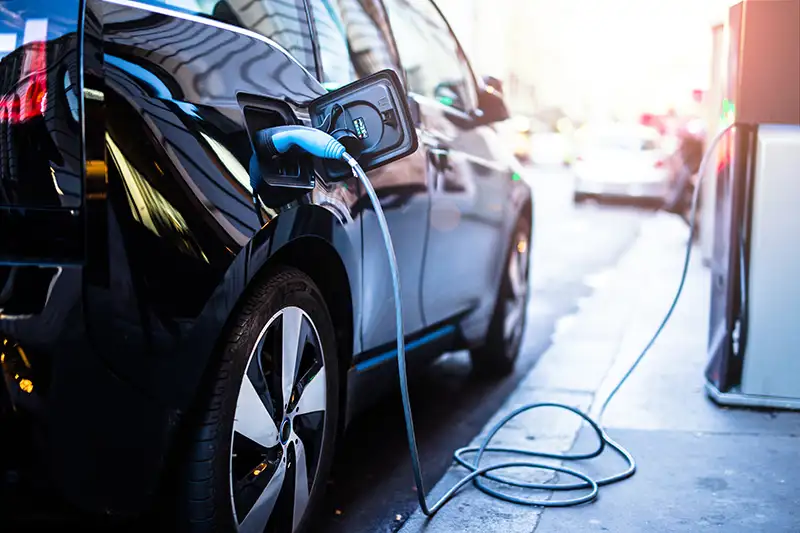
Bigger vehicles have disproportionately raised consumer gasoline costs since the start of the U.S.-Iran conflict, and a shift from gasoline SUVs to small electric vehicles could save consumers up to 1,800 USD annually, says a new GFEI paper by partner The International Council on Clean Transportation.
The study ‘The role of vehicle efficiency and size when fuel prices rise’ examined differences in national gasoline costs for small, large, and large SUVs personal vehicles compared to 2025 and the impact of switching from internal combustion engine vehicles (ICE) to battery electric vehicles (BEV).
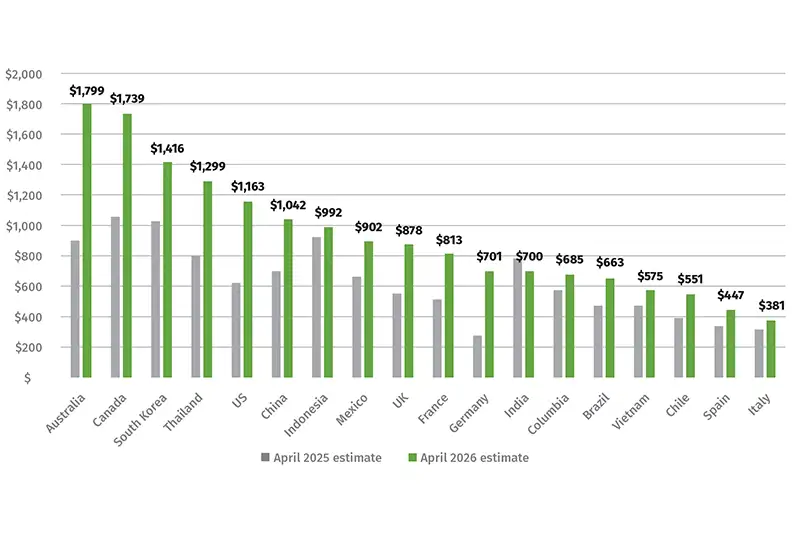
Recent geopolitical instability has highlighted the vulnerability of oil prices to global supply shocks and that those rises are passed on to consumers. Across all countries in the study, costs have risen in the past year, most extremely, drivers in Canada and Australia are, on average, now spending over 1,500 USD annually. In Australia and Germany, those rises see costs almost double. Drivers of large SUVs in the US, Germany, and China could expect to pay $350–$620 more in fuel annually than they did a year ago, compared to more modest increase of $220–$350 for a gasoline small car. The increase has been sharpest in the U.S., where large SUVs, the least efficient vehicles, have seen costs increase by 620 USD.
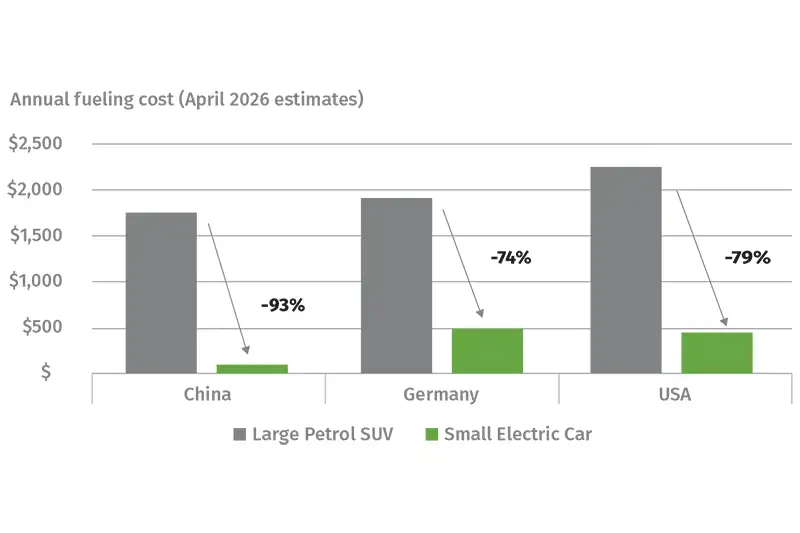
The report identified that the largest shift drivers could make - from large SUVs to small ICE vehicles - could reduce drivers’ annual energy expenses by a staggering 93% in China, 79% in the USA, and 74% in Germany.
Sheila Watson, FIA Foundation Deputy Director and GFEI Secretariat, said: “This analysis shows how desperately vulnerable drivers are to cost spikes when there is global supply chain instability, particularly for those driving large, heavy SUVs. Shifting from gasoline to electric vehicles, combined with downsizing, offers the best deal for drivers, society and the planet.”
Click here to download 'The role of vehicle efficiency and size when fuel prices rise'